The Growing List of Messaging App Data Breaches: Lessons Learned
In today’s digital landscape, messaging apps have become the backbone of our daily communications. From personal conversations to business collaboration, these platforms handle some of our most sensitive information. At the same time, the growing frequency of messaging-app breaches has raised serious concerns that go far beyond inconvenience—these incidents represent fundamental threats to personal safety, corporate security, and digital trust.
.png)
Essential Messaging Security Lessons
- End-to-end encryption (E2EE) is critical for secure messaging but not universally implemented
- Human error remains the primary cause of most data breaches (82%)
- Strong authentication methods—especially phishing-resistant, FIDO-based options—are essential
- Regular software updates and permission reviews significantly reduce vulnerability
- Anonymous messaging platforms like Blockd improve security by eliminating phone-number identity
- The financial impact of messaging breaches can reach millions of dollars per incident
Introduction: The Rising Tide of Messaging App Vulnerabilities
In today’s digital landscape, messaging apps have become the backbone of our daily communications. From personal conversations to business collaboration, these platforms handle some of our most sensitive information. At the same time, the growing frequency of messaging-app breaches has raised serious concerns that go far beyond inconvenience—these incidents represent fundamental threats to personal safety, corporate security, and digital trust.
Recent years have seen numerous high-profile breaches exposing millions of users’ conversations, contact information, and authentication data. These incidents are not just technical failures; they are violations of trust with long-lasting consequences. As messaging platforms expand features and integrate deeper into daily life, they increasingly attract both criminal groups and nation-state attackers.
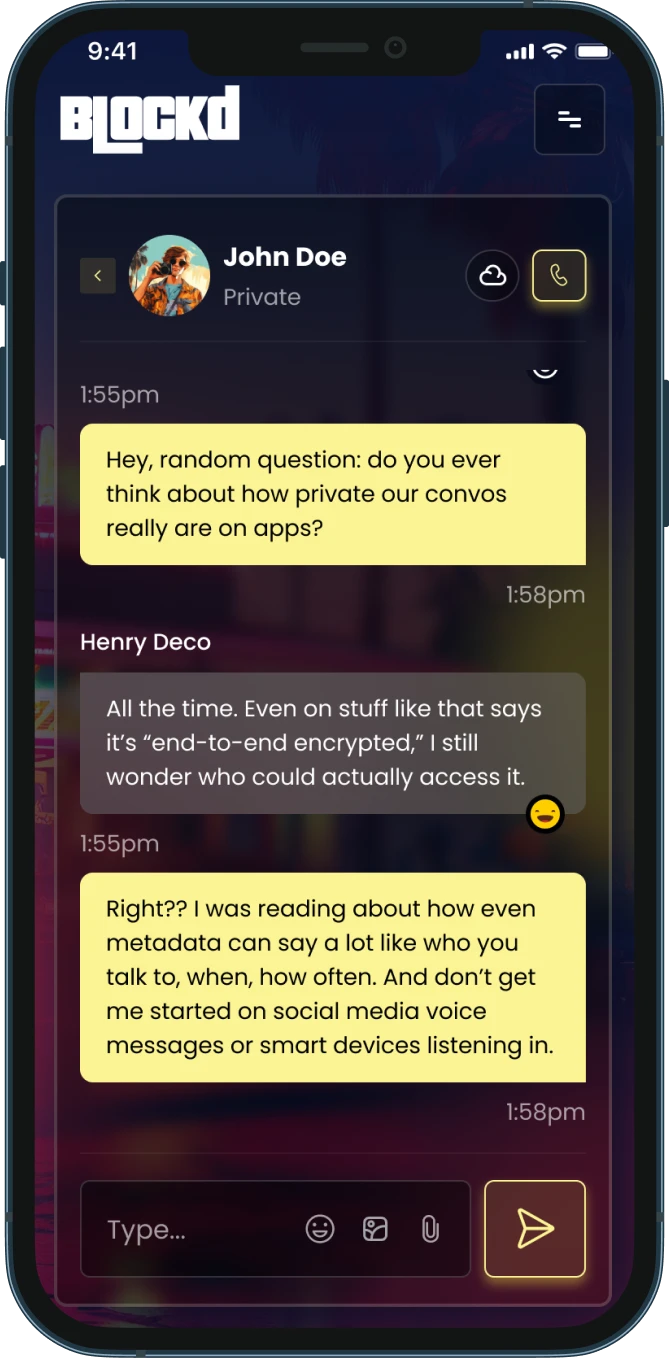
The fallout from these breaches includes identity theft, financial fraud, corporate espionage, and even physical risk for vulnerable users. For organizations, compromised messaging can expose intellectual property, confidential negotiations, and internal strategy.
At Blockd, these industry failures directly inform our design philosophy. This guide examines major messaging breaches, extracts core lessons, and outlines what secure messaging must look like going forward.
Major Messaging App Breaches: A Chronological Overview
WhatsApp Vulnerability Exploits (2019–2023)
In 2019, WhatsApp disclosed a critical vulnerability that allowed spyware installation through unanswered voice calls. The attack—linked to NSO Group’s Pegasus—affected up to 1.5 billion users, showing how implementation flaws can bypass even strong encryption.
In 2023, separate leaks exposed phone numbers and personal metadata for hundreds of millions of users, with over 500 million records reportedly offered for sale. These breaches demonstrated that even when content is encrypted, metadata remains a high-value target.
Telegram’s Localized Breaches (2020–2022)
In 2020, Telegram’s People Nearby feature was exploited to precisely locate users via triangulation, creating real-world safety risks.
In 2022, targeted attacks in Iran and Russia compromised accounts through recovery and verification weaknesses. These incidents highlighted how geopolitical pressure and convenience-driven features can undermine privacy.
Facebook Messenger Compromises (2018–2023)
Facebook Messenger has experienced repeated security issues:
- 2018: A bug allowed websites to extract messaging metadata
- 2019: Phone numbers for over 400 million accounts exposed via unsecured databases
- 2023: Link preview features leaked IP addresses, revealing user location
These incidents underline the risks of large, centralized, feature-heavy messaging platforms.
Signal’s Third-Party Breach (2022)
In 2022, Signal was indirectly affected when Twilio—a third-party SMS provider—was compromised. Some users’ phone numbers and verification codes were exposed, enabling account hijacking attempts.
This incident reinforced a key lesson: phone-number-based identity creates unavoidable risk, even when core cryptography is sound.
Why Phone Numbers Create Security Vulnerabilities
- Susceptible to SIM-swap attacks
- Persistent cross-platform identifiers
- Tie digital identity to physical location
- Enable targeted social engineering
- Vulnerable telecom infrastructure (SS7 flaws)
- Frequently exposed in unrelated breaches
Blockd eliminates this entire class of risk by not requiring phone numbers at all.
Common Vulnerability Patterns in Messaging Breaches
1. Authentication Weaknesses
- SMS-based verification is fundamentally insecure
- Password reuse enables credential-stuffing attacks
- Weak MFA creates a false sense of security
Blockd replaces these with on-device passkeys and seed-phrase recovery, removing reliance on phone numbers and SMS entirely.
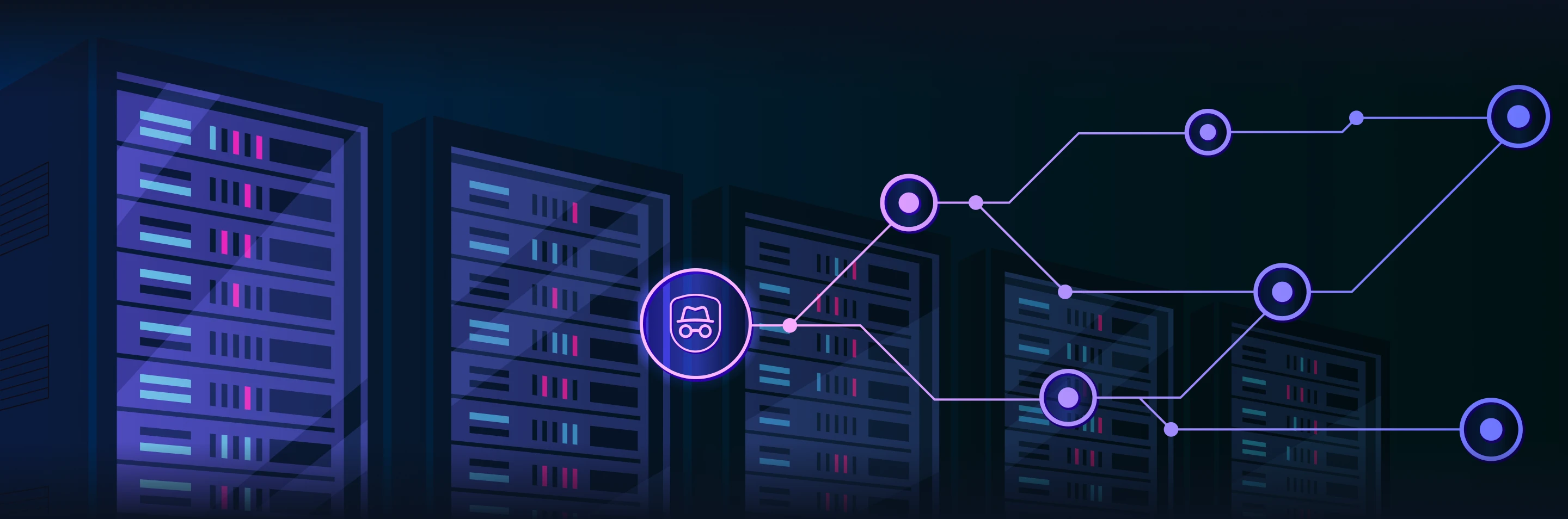
2. Metadata Exposure
Even when content is encrypted, breaches often expose:
- Contact graphs
- Communication patterns
- Device fingerprints
- Location data
Blockd minimizes metadata by design and uses a zero-knowledge architecture, ensuring the platform itself cannot reconstruct user behavior.
3. Third-Party Dependencies
- Cloud backups create new attack surfaces
- APIs expand exposure
- Supply-chain attacks bypass core security
Signal’s Twilio incident illustrates how external dependencies can undermine otherwise secure platforms.
4. Encryption Implementation Flaws
- Poor key management
- Backdoors / exceptional access
- Unencrypted or weakly encrypted backups
Blockd’s DarkMesh Protocol applies encryption consistently, uses NaCl-based cryptography, and supports secure re-encryption when users step away.
Key Lessons Learned
Lesson 1: Encryption Is Necessary—but Not Enough
Encryption must be paired with:
- Strong authentication
- Metadata minimization
- Endpoint security
- Secure key management
Lesson 2: Authentication Is the Weakest Link
Phone numbers and passwords remain the most exploited attack vector. Phishing-resistant authentication is no longer optional.
Lesson 3: Metadata Is as Sensitive as Content
Who you talk to, when, and how often can expose as much as the messages themselves.
Lesson 4: Human Error Matters
Secure systems must be usable. Good security design makes safe behavior the default.
Lesson 5: Fewer Dependencies = Smaller Attack Surface
Every integration expands risk. Security-first platforms keep stacks minimal and controlled.
Best Practices for Secure Messaging
For Individuals
- Choose platforms with E2EE, minimal metadata, and no phone-number identity
- Use phishing-resistant authentication
- Audit permissions and disable unnecessary backups
- Compartmentalize conversations by sensitivity
For Organizations
- Define approved messaging platforms
- Train teams on secure messaging practices
- Monitor unusual patterns
- Perform regular security audits
The Financial Impact of Messaging Breaches
- Millions in direct breach costs
- Regulatory fines (GDPR, CCPA, HIPAA)
- Long-term reputational damage
- Operational disruption
- Litigation and IP loss
Investing in secure messaging is increasingly a cost-saving decision, not a luxury.
The Future of Secure Messaging
Emerging Directions
- Decentralized and federated architectures
- Zero-knowledge systems
- Post-quantum cryptography
- Identity models beyond phone numbers
Blockd’s DarkMesh Protocol incorporates these principles while remaining usable for everyday communication.
The Blockd Approach to Secure Messaging
- No phone numbers required
- Configurable storage (on-device, ephemeral, cloud, future ICP user-owned)
- Configurable routing (Blockd servers or real Tor network)
- Secure re-encryption when inactive
- Minimal metadata by design
- No backdoors or exceptional access
Blockd is not open source yet—deliberately—while the architecture is being hardened.
Responding to Messaging App Breaches
Immediate Steps
- Verify breach details
- Assess exposed data
- Change credentials
- Enable stronger security
- Monitor for misuse
- Move sensitive conversations if needed
Long-Term Hardening
- Reevaluate trusted platforms
- Improve authentication hygiene
- Reduce reliance on phone numbers
- Educate contacts and teams
Conclusion: Turning Breach Fatigue into Better Decisions
Messaging breaches are not random—they follow predictable patterns: phone-number identity, excessive metadata, weak authentication, and over-centralization.
Blockd was built directly in response to these failures. By removing phone numbers, minimizing metadata, enabling configurable storage and routing, and using modern cryptography with secure re-encryption, Blockd reduces the same classes of vulnerabilities that have repeatedly compromised other platforms.
Breaches will continue across the ecosystem—but your most sensitive conversations don’t have to be part of them.
If you’re ready to move beyond phone-number identity and metadata-heavy messaging, explore how Blockd approaches secure, anonymous communication at Blockd.ai.
.png)
.png)
.png)
.png)
.png)
.png)
.png)
.png)
.png)
.png)
.png)
.png)
.png)
.png)




_thumb.png)